
A Tri-City Life
It is a permanent state of FOMO.

I tell people I live between Luanda, Lisbon, and Toronto. I drop the cities into conversation like coordinates on a map, a subtle credential of my global status. It sounds like freedom. It sounds like I have hacked the system.
But.
To live in three places is to belong fully to none. It is a psychological tax where you are constantly trading one form of social currency for another, and the exchange rate is never in your favor.
I. Luanda: The Hierarchy of Blood
In Luanda, I do not exist as an individual. I exist as a node in a lineage.
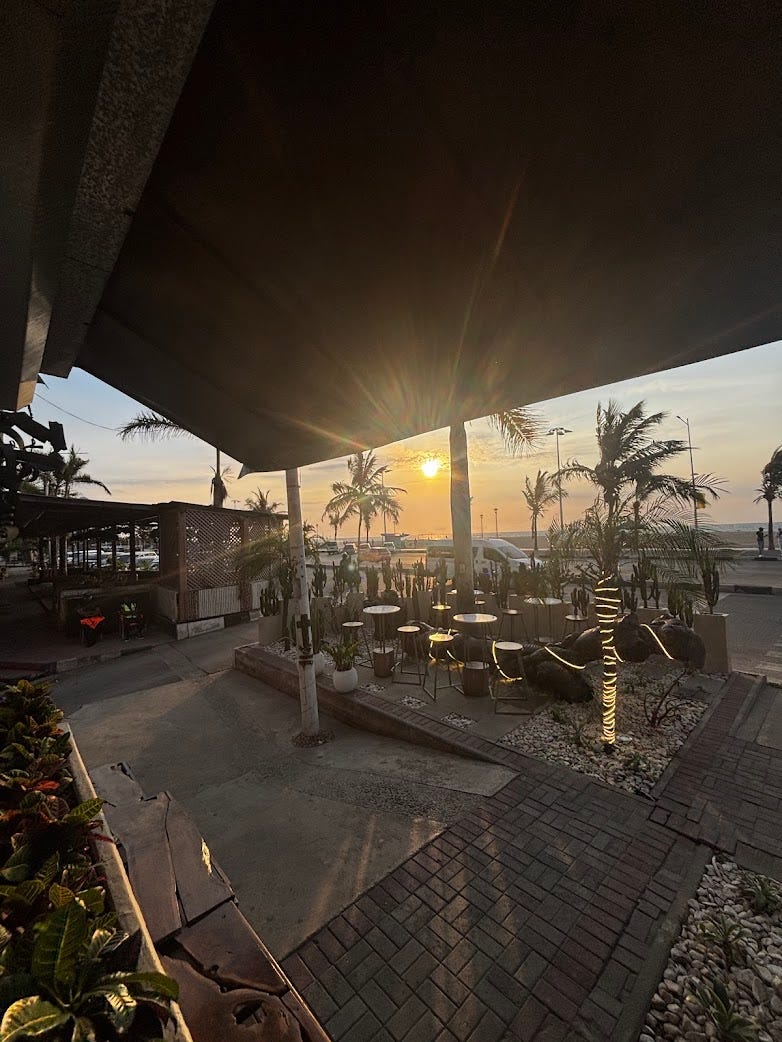
The interaction is scripted. It happens with elders, with gatekeepers, with random people at the dentist. It starts with a squint, followed by the question that governs the entire social ecosystem:
“Tu és o filho do...?” (Are you the son of...?) “Tu és o irmao da...?” (Are you the brother of...?)
The Torontonian in me—the individualist who built a portfolio and a personal brand—recoils. I want to scream, “No! I am Jason. Only Jason.” I want to be judged on my merit, not my DNA.
But then, the secondary feeling hits. It is a heavy, warm sense of importance. In a world that is often hostile, being “the son of” is a shield. It means I am located. I am safe. I am accounted for.
Yet, when the heat and the demands of the lineage become too much, I hallucinate the silence of the West. I sit in Luanda traffic, surrounded by the “Lineage,” and I ache for the specific quiet of a Canadian suburb. I miss the forestry, the dogs, the kids playing in a yard where no one knows who their father is.
II. Toronto: The Hierarchy of Labor
Toronto is the inverse. Here, the first question is never “Who is your father?” It is always, sharply:
“So, what do you do?”
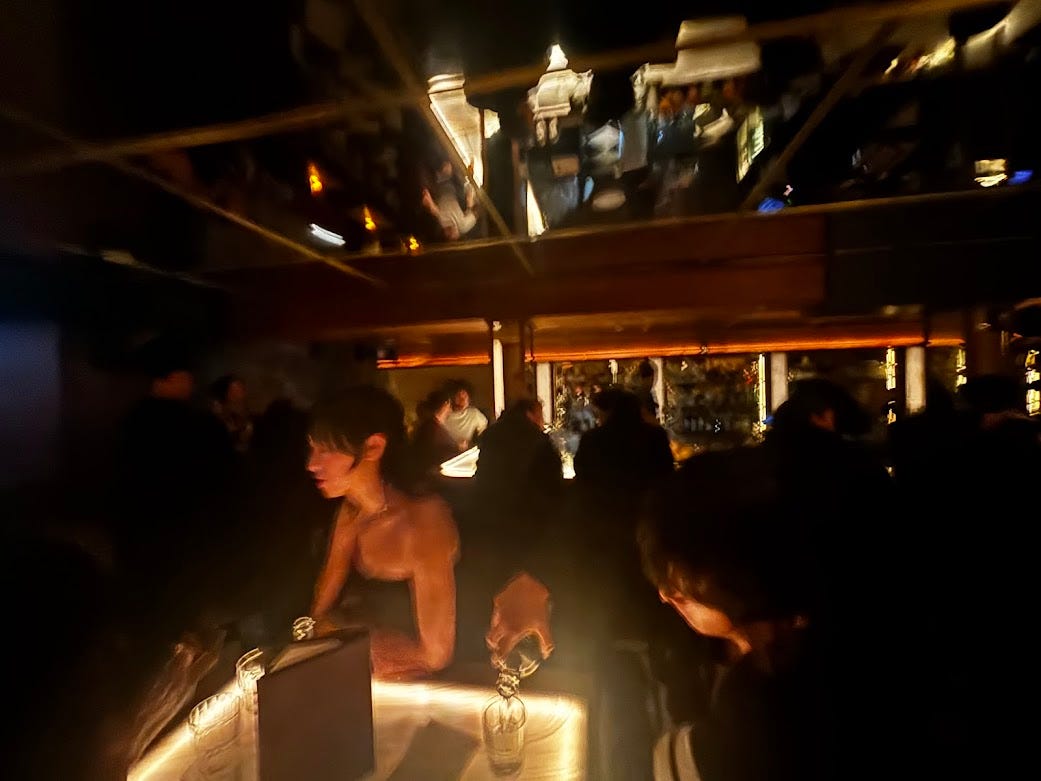
This question is the Toronto badge. It is the barcode we scan to see if the other person is worth talking to. It feels freer, yes. I can reinvent myself every time I walk into a room. I can be the Consultant, the Connector, the Researcher. I am unburdened by my history.
But this freedom is cold. It is the freedom of the astronaut floating in space.
When I am eating Pho alone on a Tuesday in Toronto, enjoying my “freedom,” the image hits me. I think of lunch at my Auntie’s place in Luanda. I think of Funge. I think of “bare family”—the loud music, the overlapping conversations, the sheer density of human connection. I realize that my Toronto freedom is only a fancy word for isolation.
III. Lisbon: The Hierarchy of Vibes
Lisbon is the waiting room. It operates on a system of Polite Ignoring.
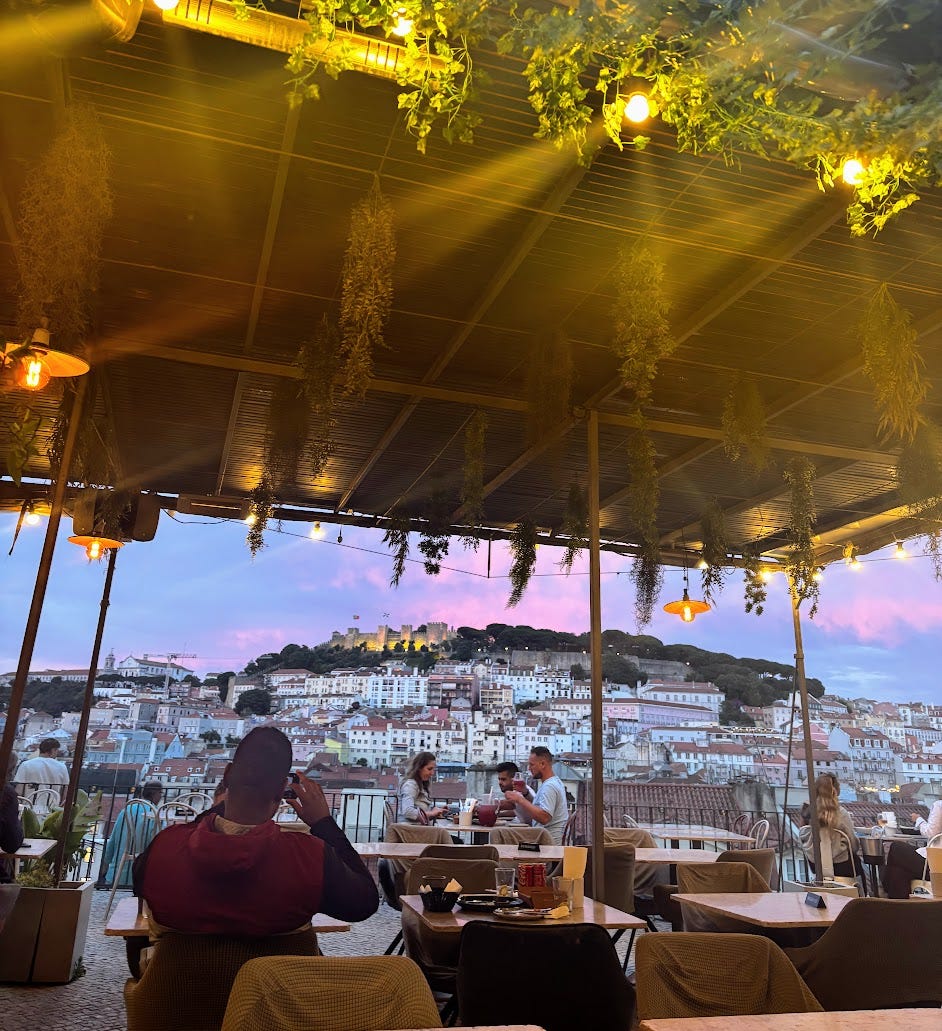
You are not expected to be an introvert (Canada) nor an extrovert (Angola). You are simply expected to be present, but slowly.
The hierarchy here isn’t based on who your father is, or what job you have. It is based on your ability to endure the Slow Life. Lisboners don’t mind spending an extra 30 minutes at lunch before going back to the office. There is no rush.
But this “softness” has a dark side. Lisbon is a city of Big Promisers. People love the idea of collaboration. They love the aesthetic of the meeting. But there is no weight to it. Plans evaporate into the Atlantic air.
In Toronto, people talk because they want a result. In Luanda, people talk because they are bound by blood. In Lisbon, people talk to pass the time.
The Somber Verdict
Sociologist Georg Simmel wrote about “The Stranger”—the person who is near and far at the same time.
That is the tax I pay.
I am a stranger in Toronto because I crave the hierarchy of blood.
I am a stranger in Luanda because I crave the hierarchy of labor.
I am a stranger in Lisbon because I crave a promise that actually holds weight.
If I were sick—truly, violently ill—I do not want the efficiency of the Toronto hospital. I do not want the family crowding my bed in Luanda. I certainly do not want the “wait and see” attitude of Lisbon.
I want Singapore.
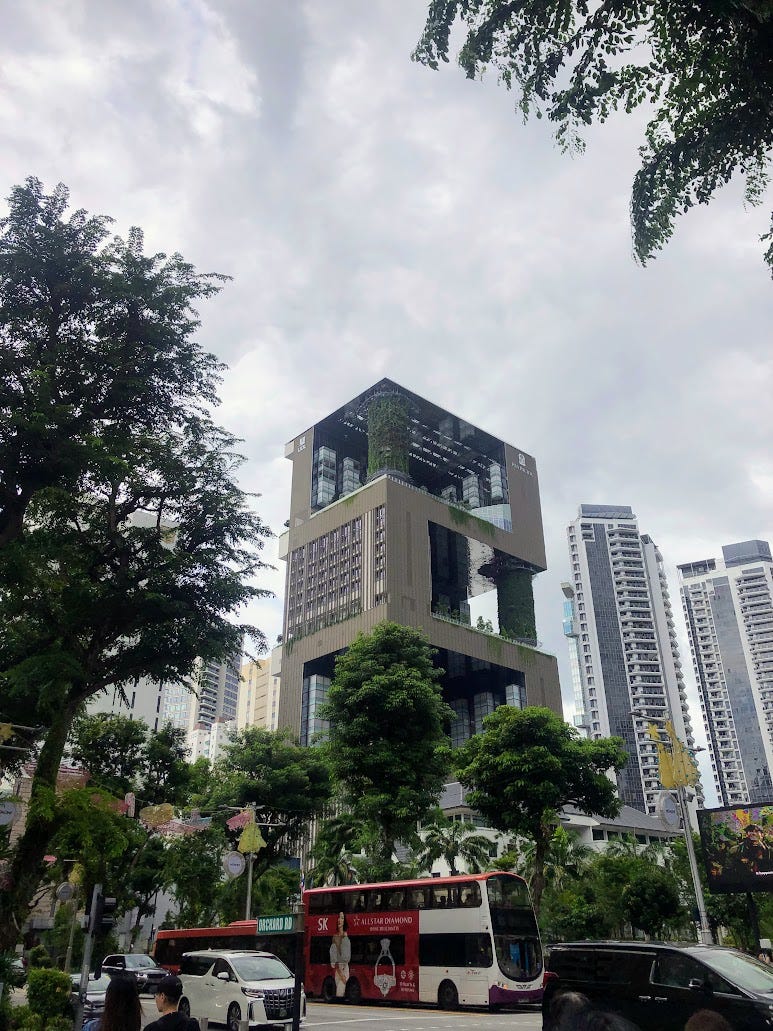
I want the humid air of the place where I spent 12 years growing up. I want the specific, sterilized safety of the city that raised me before I learned to code-switch.
That is the ultimate irony of this lifestyle. I spend my year rotating between three continents, optimizing my network and my geography. But when my body shuts down, my instinct doesn’t reach for my apartment keys. It reaches for a ghost.
Geographic mobility is not a flex. It is a discipline of constantly missing people and homes, but I wouldn’t have it any other way.
Great article